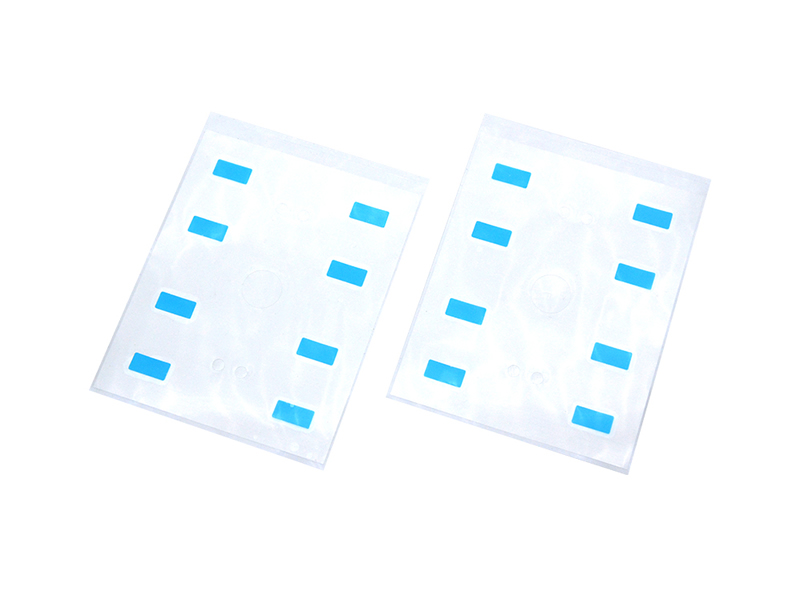
Protective film is a thin film material used to protect the surface of various products, widely used in fields such as electronic devices, automobiles, construction, furniture, and industrial manufacturing. Its main function is to prevent surface damage such as scratches, contamination, corrosion, oxidation, or fingerprint contamination during production, transportation, processing, storage, and use. At the same time, some high-end products also have additional properties such as anti peeping, anti blue light, oil repellent and waterproof, and self-healing.
1、 Comparison of Common Materials and Characteristics
Protective films of different materials are suitable for different scenarios, and the selection should be based on a comprehensive assessment of transparency, durability, fit, and functional requirements
PET (polyester film)
One of the most mainstream materials on the market, with high hardness, scratch resistance, and good transparency.
Mostly used for mobile phone screen protectors, relying on electrostatic adsorption, easy to apply and replace, but prone to foaming at the edges.
Moderate price and high cost-effectiveness.
TPU (thermoplastic polyurethane)
Excellent flexibility, commonly used in car paint protection film (commonly known as "invisible car cover").
It has the ability to resist scratches, corrosion, acid rain, and ultraviolet rays, and even minor scratches can be self repaired by heating.
High cost, but strong durability, suitable for long-term protection of car paint.
PE (polyethylene)
The material is soft and has good ductility, often used for surface protection of industrial products such as stainless steel plates, aluminum alloy profiles, electronic components, etc.
Not scratch resistant, generally used for temporary protection, commonly seen during construction and decoration stages.
PVC (polyvinyl chloride)
The commonly used materials in the early days have poor transparency, are prone to yellowing and oil leakage, and have a short service life. They have gradually been phased out.
Due to the presence of heavy metal components, it has been banned in Europe and is not recommended for use on the skin or in long-term use scenarios.
AR (anti reflective film)
Multi layer composite structure, with a light transmittance of over 95%, possessing anti glare and anti reflection functions.
Commonly used in high-end display devices, museum display cabinet glass, and other scenes that require high visual effects.




 Language
 Your location:

 Follow us
 0769-85300450
  E-mail